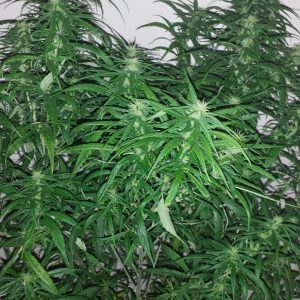
TANAO SRI
$45.00
TANAO SRI – 10+ SEEDS
Tanao Sri (also spelled Tanaosri, Ta Nao Si, or Tanah Seri) is a traditional Thai sativa landrace from the Tenasserim Hills (Tanaosri range) along the western Thai–Myanmar border. The name comes from the local term for that mountain range. It is one of Thailand’s better-documented regional cannabis populations and includes lines officially recognized after the country’s cannabis reforms.
Origin and history It is associated with the Kaeng Krachan area of Phetchaburi province and the broader range running roughly from Kanchanaburi southward through Ratchaburi, Phetchaburi, Prachuap Khiri Khan, and into parts of the south. Karen communities traditionally cultivated it in the hills; accounts also link cultivation in the area from the late 1960s onward to Thai communist insurgents who used cannabis as a cash crop. Collectors and seed projects (including Zomia Collective accessions from around 2021–2022) describe it as an open-pollinated narrow-leaf drug (NLD) landrace adapted to humid monsoon conditions, with some historical admixture possible from earlier Karen migrations and other regional types such as squirrel-tail lines.
Following Thailand’s liberalization, research institutions (including work linked to the Medicinal Plant Research Institute and universities such as Suranaree) documented and registered several Thai landraces as national heritage or approved varieties for study and cultivation. Two of the four commonly cited government-recognized identities are Tanaosri selections.
Recognized varieties: Thai sources group the registered lines by chemotype:
- Tanaosri Kan Khao / Kankhao (WA1) — “white stem.” High-THC type. One set of laboratory figures reports average Δ9-THC around 8.4% and CBD near 0%. Inflorescences are described as numerous and tightly clustered toward the ends of branches. Aroma is typically orange peel mixed with lemongrass, relatively less pungent than some other Thai lines. Commercial flower sometimes claims substantially higher THC (mid-teens), which may reflect different cultivation, curing, or testing methods than the earlier research samples.
- Tanaosri Kan Daeng (RD1) — “red stem.” High-CBD type. Research figures report average CBD around 5.3% and Δ9-THC around 0.3%. Stems, branches, and petioles show distinctive red pigmentation. Smell is sweet and ripe-fruit-like rather than sharply pungent. It has been used in Thai university studies on antibacterial activity and effects on cancer cell lines. It is less commonly seen in retail than the higher-THC lines.
Plant traits:
Plants are classic tropical sativas: tall (commonly 2–4 m outdoors), fast-growing in the vegetative stage, with long internodes and narrow leaves. Regional planting is often July–September with harvest January–March. Flowering is long—frequently cited in the 14–20 week range outdoors, though some selected reproductions finish faster (around 12–13 weeks). They show good adaptation to humidity, with reports of pest and mildew resistance relative to many modern hybrids. Yield is generally described as medium. Some phenotypes display red pigmentation on stems and petioles even outside the dedicated Kan Daeng line. Aromas across accessions include citrus (orange peel), lemongrass, ripe fruit, spice, wood, menthol, and incense notes. Effects for the THC-dominant expressions are the classic Thai sativa profile: uplifting, cerebral, energetic, and focus-oriented, sometimes with a clear or mildly psychedelic edge and appetite stimulation; duration can be longer than many modern hybrids.
Current status:
Genetics have been widely distributed through research institutions and commercial growers since the legal changes around 2022. Preservation projects continue to offer open-pollinated or lightly selected seed (white, red, and green selections appear in collector catalogs). At the same time, traditional Karen cultivators in places such as Kaeng Krachan have largely remained outside the licensed industry, and hybridization plus market pressure have reduced some original open-pollinated stands. As with other landraces, individual plants vary, and lab numbers from research plots do not always match optimized commercial flower.